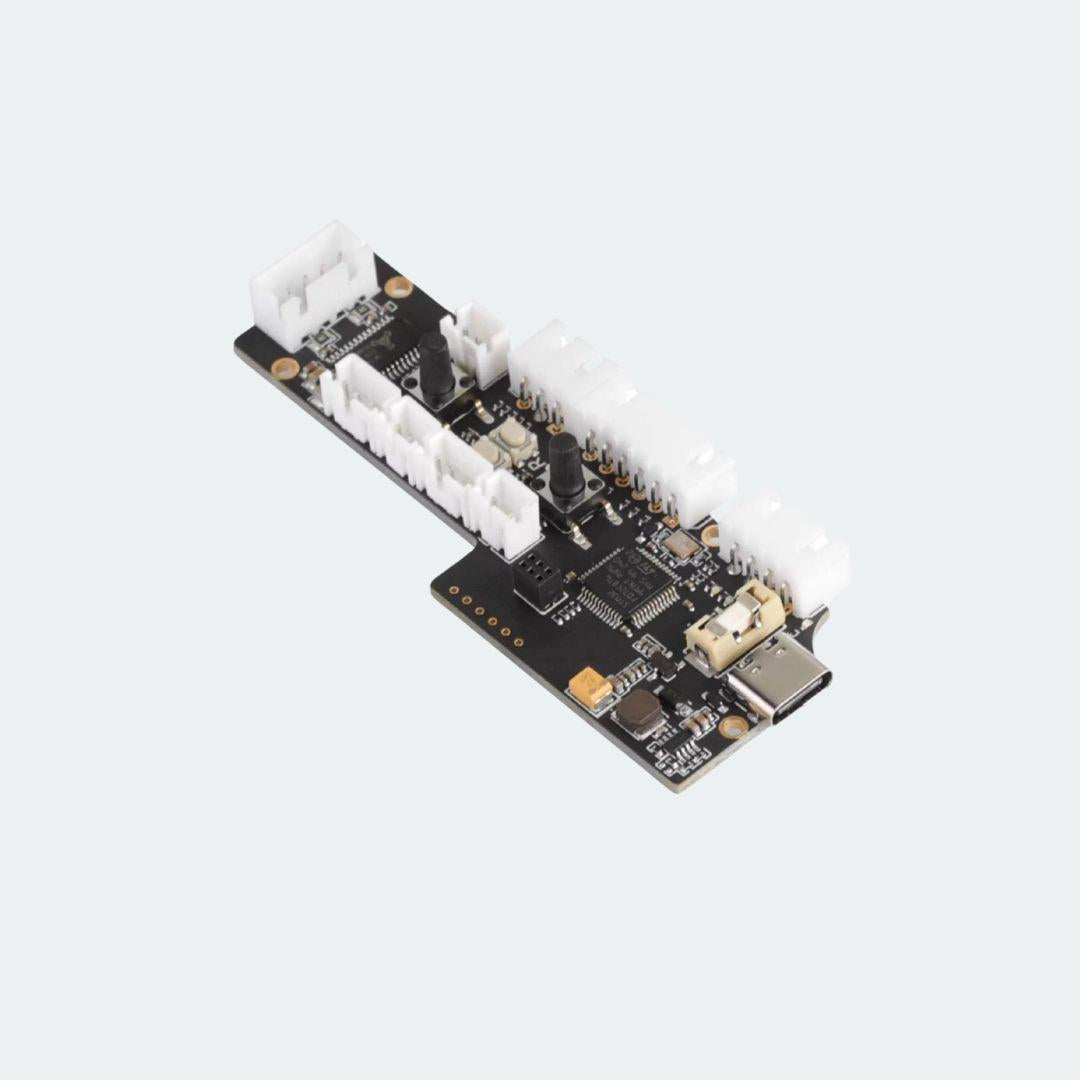
TPU Filament Buffer – Synchronized Feeding for Flexible 3D Printing
3 in stock
ETA:
TPU Filament Buffer Overview
Why Upgrade to This Filament Buffer Unit?
Printing flexible materials like TPU demands stable, low-friction feeding. This electric buffer unit provides guided active feed/retraction, synchronized filament delivery, and built-in break detection to drastically reduce Bowden tube resistance and slipping. It lets you print faster and more reliably with soft TPU (80A–85A) and other flexible filaments while avoiding jams, layer shifts, and failed prints.
Key Features & Requirements
- Active electric feed & retraction with manual control buttons
- Synchronized feeding for faster speeds and reduced filament compression
- Built-in filament break / runout detection (auto print pause)
- Quiet motor & durable structure for extended printing
- Ideal for soft flexible filaments: 80A–85A TPU
- Reduces Bowden tube resistance, jams, and layer defects
Product Description
Printing flexible materials such as TPU requires high precision. This buffer unit features electric feed and retraction, synchronized feeding to reduce Bowden tube resistance, and filament break detection for stable, reliable printing with soft TPU 80A–85A. It includes manual control buttons, a quiet motor, and durable construction. Fully compatible with Klipper boards; works with Bambu Lab printers but without filament detection. Signal wiring and firmware setup are required.
Product Specification
- Function: Electric filament buffer + runout sensor
- Filament Compatibility: TPU 80A–85A & flexible materials
- Control: Automatic sync + manual feed/retract buttons
- Motor: Quiet, long-life design
- Board Support: Klipper-based mainboards (full function)
- Bambu Lab Compatibility: Works normally, but filament detection NOT supported
- Setup: Signal wire connection + firmware configuration required
Better Than Basic Passive Buffers
Standard passive buffer units only reduce slack—they do not assist feeding, eliminate friction, or detect breaks. This electric buffer unit actively pushes and retracts filament to match your printer’s speed, drastically lowering resistance for soft TPU. It also adds reliable runout detection that passive buffers lack, preventing costly failed prints and delivering consistent high-speed performance basic units cannot match.
Package Includes
1 × Electric Filament Buffer Unit
1 × Set of connection cables & accessories
1 × User & setup guide
Installation Guide
Explore Precision Upgrades for Your Bambu Lab
FAQs about TPU Filament Buffer – Synchronized Feeding for Flexible 3D Printing
How difficult is the firmware configuration for Klipper mainboards?
Firmware configuration for Klipper is beginner-friendly with basic technical knowledge. The unit requires simple parameter adjustments (e.g., feed/retraction speeds, sensor triggers) in the Klipper config file—most users complete setup in 15–30 minutes. We recommend following our step-by-step guide (included with the product) or referencing Klipper’s official flexible filament documentation for best results.
Why isn’t filament break/runout detection supported on Bambu Lab printers?
Bambu Lab printers use a proprietary filament detection system that is not compatible with third-party sensor hardware. The core functions of the buffer unit (electric synchronized feeding, reduced Bowden resistance) still work seamlessly with Bambu systems—only the auto-pause feature for filament failures is unavailable.
How can I make sure this product fits my printer?
A: You can check the compatibility information in our product filters or in the Features section of each item. If you’re still unsure which part is right for your printer model, feel free to contact our support team for confirmation.
How can I track my order?
You will receive a YunExpress order number immediately after your order ships.Use this number to track the package from our warehouse to your destination country.
For the following countries, you will also receive a corresponding local tracking number.Please use the official website of the local carrier for real-time delivery updates:
- United States: USPS
- Germany & Netherlands: DHL
- United Kingdom: Evri
- Spain: CTT
- France: Colis Privé
For all other regions: Only a YunExpress tracking number will be provided (no local carrier tracking available).
What if the tool I purchased doesn’t meet my expectations?
If you’re not satisfied with your purchase, we offer a hassle-free return policy. Just contact our customer support team within 30 days, and we'll help you with the return or exchange process.
Customer reviews
-
Placed my order on February 3rd and received it on February 12th —only 7 business days! Shopping was easy, communication was great, and delivery times were really decent. Very happy with my purchase!
Brad BrockwayEngineering -
Found this shop on Reddit, chatted with a real person about the P2S filter I needed. Asked if they could ship to SG, they checked and made it happen! Super happy because this filter is basically impossible to find locally and always out of stock everywhere else. Fast, friendly, and solved my problem perfectly. Will buy again!
Ok_Government_1125Hobbyist in Singapore -
Bought a ventilation system but changed my mind last minute. I thought returns would be a huge hassle, but they told me there’s a return warehouse in Houston only about a 10-minute drive from where I live in Missouri City. Drove over and returned it super easily. Super convenient return process, great experience overall!
RayRobertProject manager
Overall I’m happy with it and everything works as expected. The only downside for my use is the feed speed—around 400 mm/min feels a bit slow. If speed isn’t critical, it’s a solid setup.
What I’d really love to see is the BMCU ported over to Klipper, ideally switching the serial chip to a CAN chip (serial could probably still work too). If the main controller could run Klipper, then controlling everything through Klipper would be straightforward—just write a few macros. You wouldn’t need the BMCU’s built-in logic; just expose the pins to Klipper and let it handle the rest.
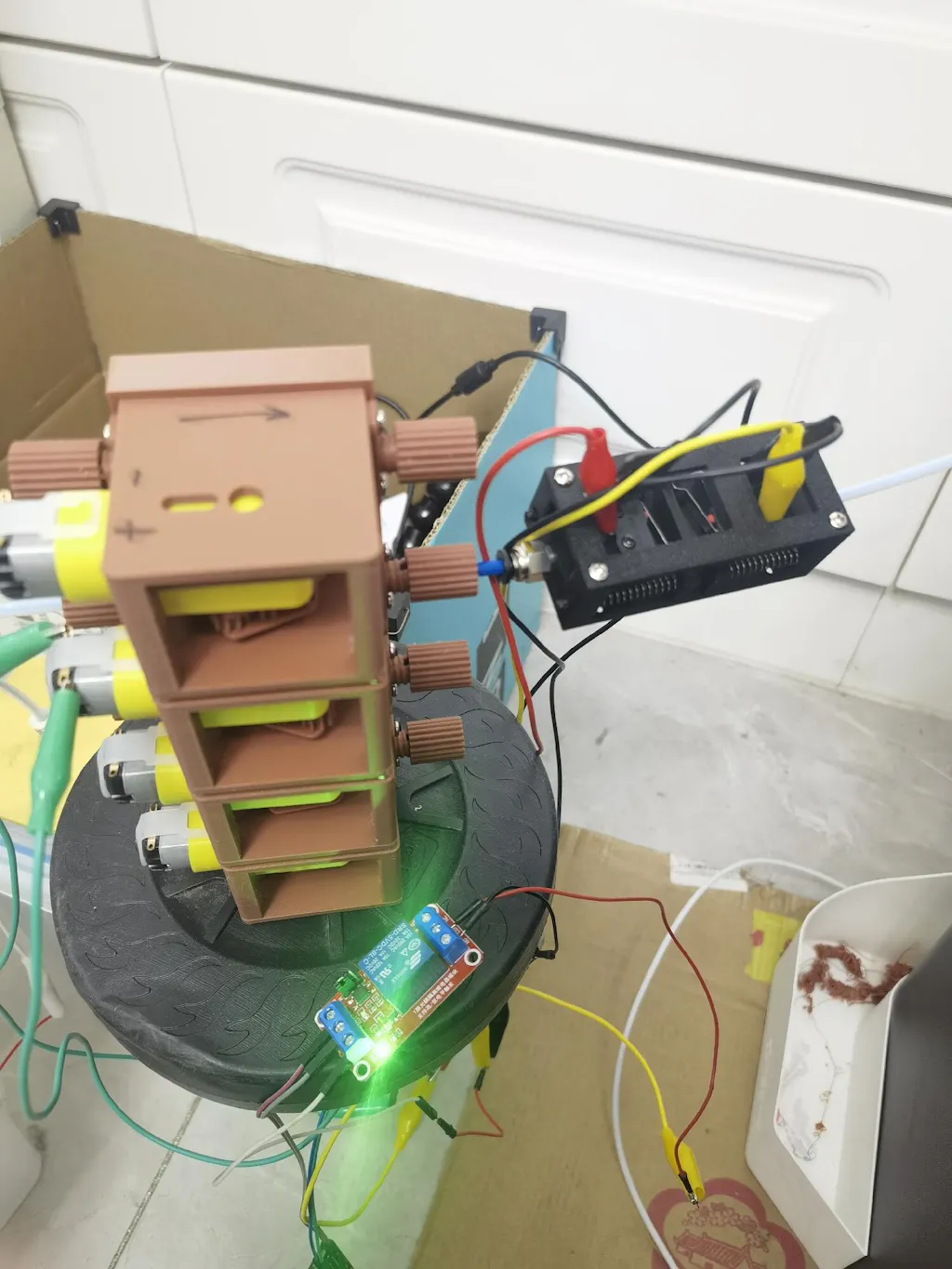
You can build a filament buffer with super basic parts—two microswitches and a relay and you’re basically done for around $10. You can go even cheaper too: skip the relay and microswitches and just use simple switch sections, and the cost can be under $5. Pretty wild compared to buying a full kit.
TPU Filament Buffer – Synchronized Feeding for Flexible 3D Printing