


Call3D Hotend Heating Insulation Pad for A1/A1 Mini Overview

Product Description
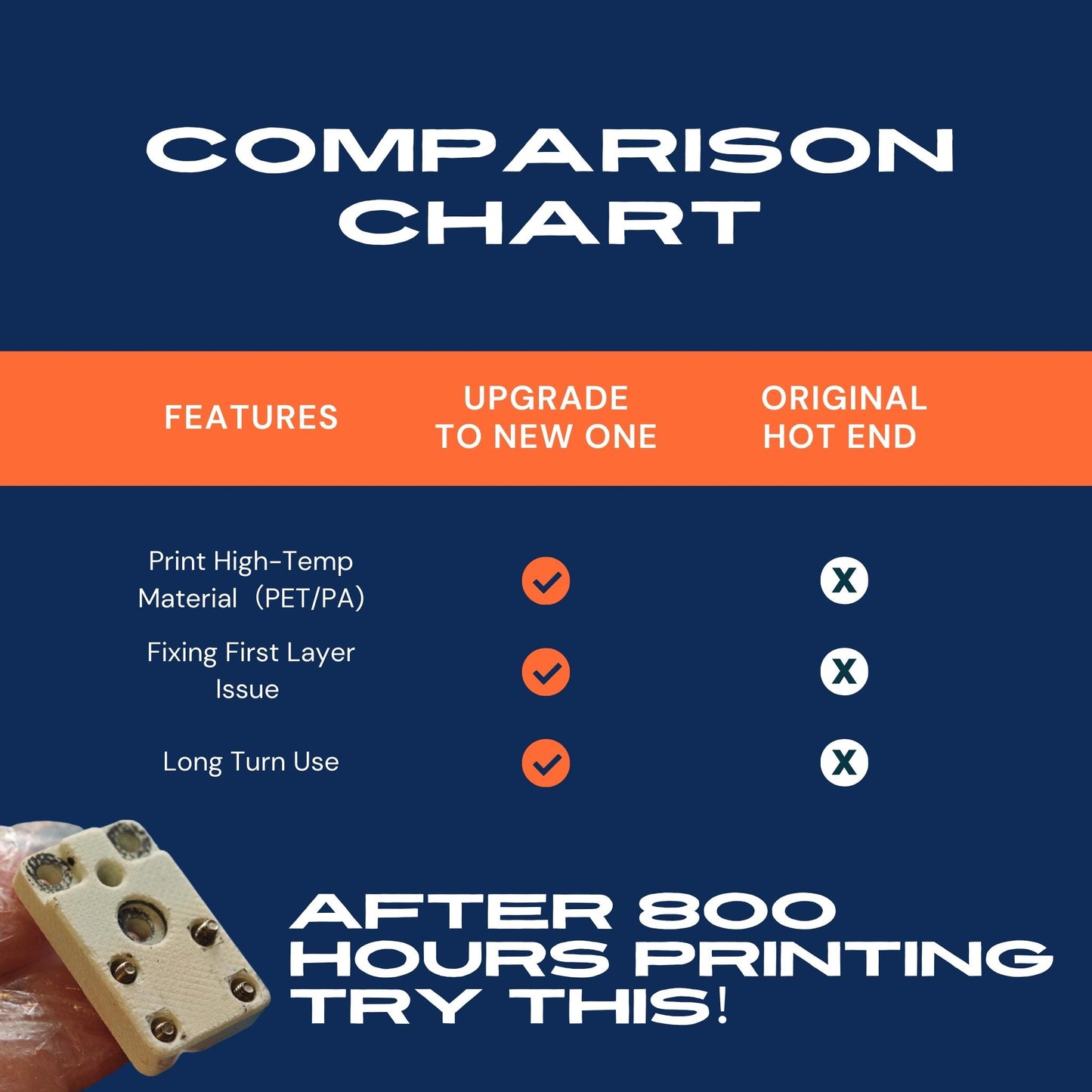
🔧 Improves First Layer Adhesion
Designed to address Bambu Lab A1 first-layer issues caused by loose base pads. Helps restore consistent first layer adhesion.
🛡️ Reinforced Construction
Fiberglass-silicone composite material provides a secure fit between the heater block and heatsink, reducing structural movement during extrusion.
🔥 High Temperature Resistance
Rated for temperatures up to 300°C+. Suitable for use with PAHT-CF and other engineering filaments.
⚡ Easy Installation
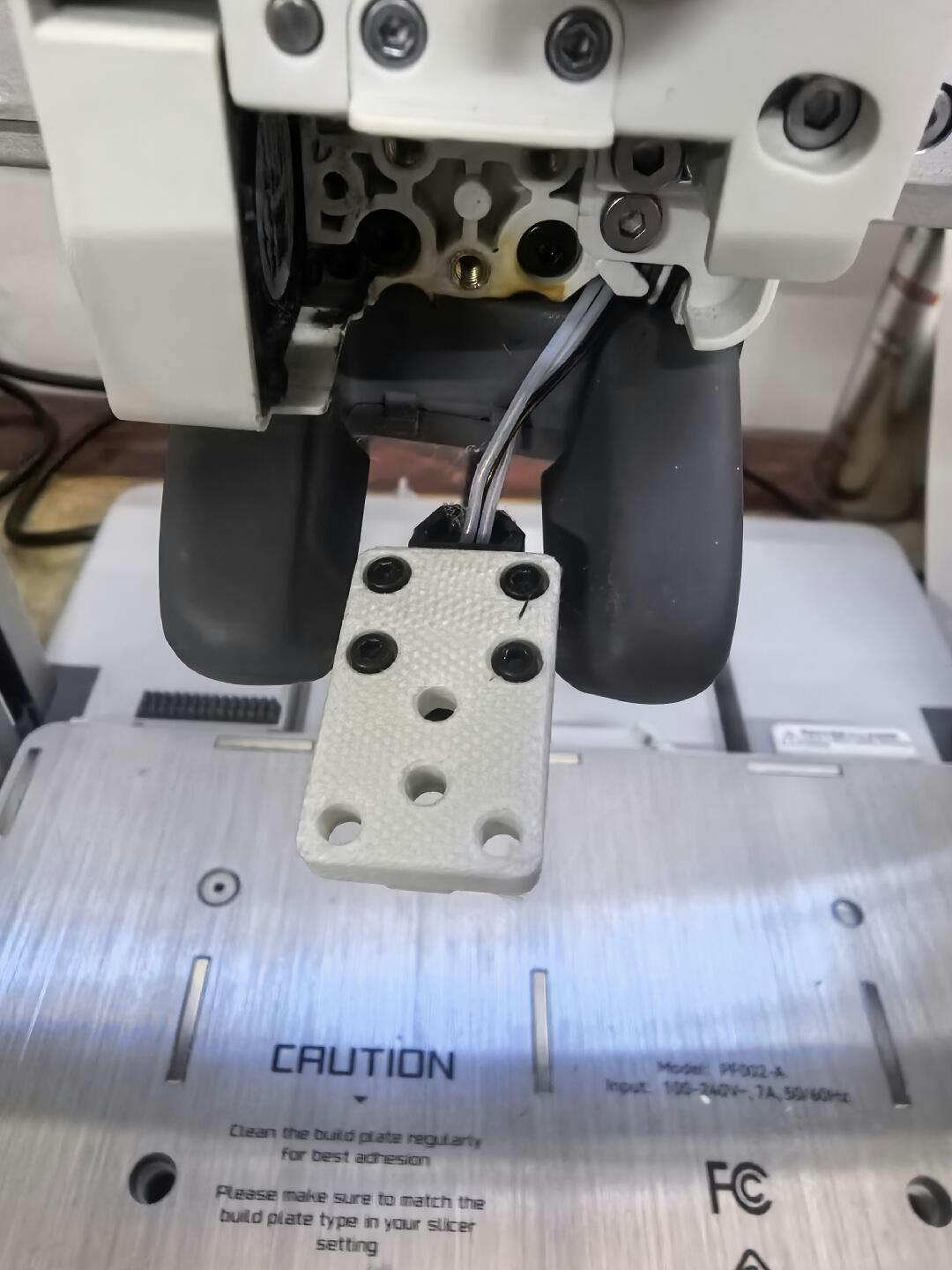
Precision-machined for compatibility with Bambu Lab A1/A1 Mini. Direct replacement installation with no modifications required.
Why Upgrade Hotend Heating Insulation Pad?
Key Features & Requirements
Product Specification
Better Than Stock Base Pads
Package Includes
Installation Guide
Customer reviews
-
Placed my order on February 3rd and received it on February 12th —only 7 business days! Shopping was easy, communication was great, and delivery times were really decent. Very happy with my purchase!

-
Found this shop on Reddit, chatted with a real person about the P2S filter I needed. Asked if they could ship to SG, they checked and made it happen! Super happy because this filter is basically impossible to find locally and always out of stock everywhere else. Fast, friendly, and solved my problem perfectly. Will buy again!

-
Bought a ventilation system but changed my mind last minute. I thought returns would be a huge hassle, but they told me there’s a return warehouse in Houston only about a 10-minute drive from where I live in Missouri City. Drove over and returned it super easily. Super convenient return process, great experience overall!



Call3D Hotend Heating Insulation Pad for A1/A1 Mini
Regular price
$16.99
Sale price
$16.99
Unit price
per


